
In Japan, Valentine’s day follows a unique and fascinating tradition. Let’s dive straight into how Valentine’s Day works in Japan.
In Japan, there is a concept of Giri Choco(義理チョコ) and Honmei Choco(本命チョコ). Giri Choco also known as “Obligation Chocolate”. Women give to friends, male co-workers, bosses and acquaintances out of appreciation and politeness. Honmei Choco also known as “true feeling chocolate”. Women give these chocolates to their loved ones, husbands, partners. Honmei chocolate is usually higher-quality and more expensive than Giri Choco.
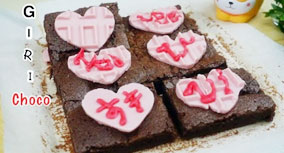
Giri Choco(義理チョコ)

Honmei Choco(本命チョコ)
Men generally reciprocate by giving women gifts on White Day(ホワイトデー), which is celebrated on March 14.
In Japan, handmade chocolate carries special meaning, especially for Honmei Choco.
Making chocolate by hand shows extra effort and sincerity. Handmade chocolates are often considered more heartfelt, especially for Honmei Choco, as the effort itself expresses genuine feelings.
In recent years, many women and girls also exchange Tomo Choco(友チョコ) with their female friends to symbolize friendship.
In Japan, Valentine’s Day isn’t just about love — it’s about expressing gratitude, respect, and heartfelt emotions in the sweetest way. Whether it’s Giri Choco, Honmei Choco, or Tomo Choco, Valentine’s Day in Japan shows that chocolate can carry many kinds of feelings.

Which type of chocolate would you give — Giri, Honmei, or Tomo?
Vocabulary for Valentine’s Day
- Valentine’s day – バレンタインデー
- I like you – 好きです
- I love you – 愛している(あいしている)
- Feelings – 気持ち(きもち)
- Gift – プレゼント
- He/Boyfriend – 彼(かれ)
- She/Girlfriend – 彼女(かのじょ)